Google Ads for Nashville and Brentwood Businesses
October 19, 2026 / Abdulrahman Jasim / Brentwood, TN
What should Google Ads management in Nashville include?
Google Ads management should connect what someone searches for with a useful page and a clear next step. For a Nashville business, that means reaching people in the right service area, explaining the offer, and measuring whether inquiries become customers.
It also means reviewing what happens after launch. Campaign settings, search behavior, and business priorities can change. Management should cover tracking checks, search term reviews, ad testing, landing page improvements, and reporting that explains spending in business terms.
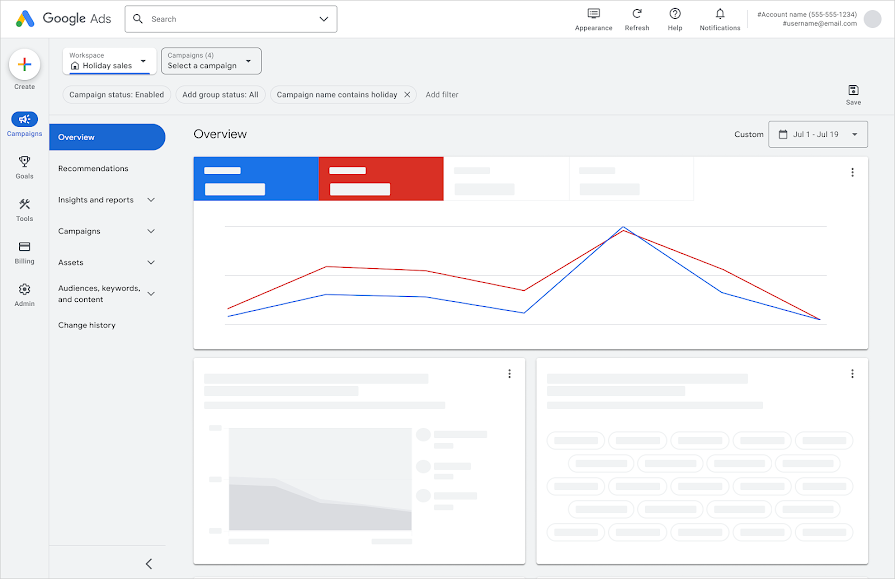
A busy dashboard is not proof of useful work. The central question is whether your advertising is producing inquiries your team can serve.
Which goals should come before campaign setup?
Choose the business result first. A repair company may need phone calls about urgent jobs. A professional service firm may need consultation requests. A retailer may care most about completed purchases.
Keep primary conversion goals tied to meaningful actions. A page view or button click can provide context, but it should not automatically carry the same importance as a completed inquiry.
Before launching, answer these questions:
- Which services are worth advertising?
- What makes an inquiry qualified?
- Who answers calls, and during which hours?
- Which locations can the business reliably serve?
- How will booked jobs or sales be recorded?
These answers guide campaign structure and make later reports easier to interpret.
How should Nashville location targeting work?
Start with your actual service area, not the largest available radius. A business serving East Nashville may have different travel limits than one working throughout Franklin and Brentwood. Check whether the locations you select match your staffing and delivery capacity.
Review Google's location options carefully. Targeting people present in or regularly in an area differs from including people who show interest in that area. For many local services, presence based targeting is a sensible starting point.
Location targeting relies on signals and is not perfectly precise. Review available location reports and lead details to identify traffic from places you cannot serve.
Which searches deserve the budget?
For Search campaigns, group keywords around a specific service and intent. Someone searching for an emergency repair has a different need from someone researching how to perform that repair themselves.
Choose keyword match types deliberately, then review the search terms Google makes available. Add negative keywords when queries reveal clear mismatches, such as job searches or requests for services you do not offer.
Do not judge a keyword only by its click price. A more expensive click can still be useful if it brings qualified work. A cheaper click can waste money if the person needs something else.
What should the landing page do?
The landing page should continue the conversation started by the ad. If an ad promotes a specific service in Nashville, the destination should explain that service, its availability, and how to contact the business.
Make the phone number easy to find and tap on mobile. Keep forms short enough to complete, but ask for information your team needs to assess the request. Use genuine business details and customer feedback only when you have permission.
Page speed, readable text, and working forms matter. Sending every ad to a general homepage can make visitors search again for the answer they expected.
How do you measure calls and qualified leads?
Conversion tracking should distinguish useful outcomes from casual interactions. A click on a phone number does not prove that a call connected. A connected call does not prove that the caller was a good fit.
Use a simple measurement process:
- Define the actions that count as primary conversions.
- Configure website and call tracking where appropriate.
- Test forms, phone actions, and conversion reporting.
- Record whether inquiries become qualified leads or customers.
- Use those outcomes to guide campaign decisions.
Avoid counting the same inquiry more than once through overlapping tracking setups. Where feasible, connect qualified lead or sales outcomes back to advertising, with appropriate consent and privacy practices.
How much should a Nashville business spend?
There is no single correct Google Ads budget for Nashville. Competition, service value, customer demand, and your ability to respond all affect what makes sense.
Separate the advertising budget from the management fee when reviewing a proposal. Ask who pays Google, what work the fee covers, and whether landing page work or tracking setup costs extra.
Start with a scope your budget can support. Advertising a few priority services in a defined area often gives clearer feedback than spreading limited funds across many services and cities. Set a review period before deciding whether to expand.
What should change for Brentwood, Tennessee?
The same process applies in Brentwood, but Nashville assumptions should not be copied into a nearby service area. Confirm the Brentwood service area, local demand, staffing, and offer before launching.
A business serving Maryland Farms may need different coverage than one traveling to Franklin or Nolensville. Write ads and landing pages that accurately describe where the business operates. Do not imply a physical Brentwood office if there is none.
If you serve both cities, separate campaigns can make budgets and results easier to compare. Review actual inquiry quality in each market rather than assuming similar click costs mean similar business value.
What should you ask a Google Ads manager?
Ask how you will access the account, how conversions are defined, and what the reporting includes. You should understand which searches and services are receiving attention, not just see a total click count.
A useful report explains spending, tracked conversions, qualified lead feedback, and the next actions. It should also identify uncertainties, such as missing tracking or too little data to support a conclusion. No manager can guarantee a particular ad position or number of customers.
Delal Marketing is a Nashville digital marketing studio led by Abdulrahman (Abe) Jasim, who has designed websites and web apps since 2001. For Google Ads management connected to your website and business goals, call (615) 957-2001. Support is available in English, Kurdish, and Arabic.
Common questions
What does Google Ads management include?
It typically includes campaign planning, keyword research, location targeting, ad creation, conversion tracking, search term reviews, budget adjustments, and reporting. Confirm whether landing page work is included in the scope.
Is the Google Ads budget separate from the management fee?
Advertising spend pays for placement through Google. The management fee pays for campaign work. Ask for a proposal that clearly separates these costs and identifies any additional setup or website charges.
Can one Google Ads account target Nashville and Brentwood?
Yes. Separate campaigns can help control budgets, service areas, ads, and reporting for each city. Each campaign should reflect where the business actually operates.
How do I know whether Google Ads is producing useful leads?
Track meaningful inquiries, then record whether those inquiries become qualified leads, appointments, or sales. Clicks and traffic alone cannot show whether the campaign is generating valuable business.